Tiếng Việt
 中文 (中国)
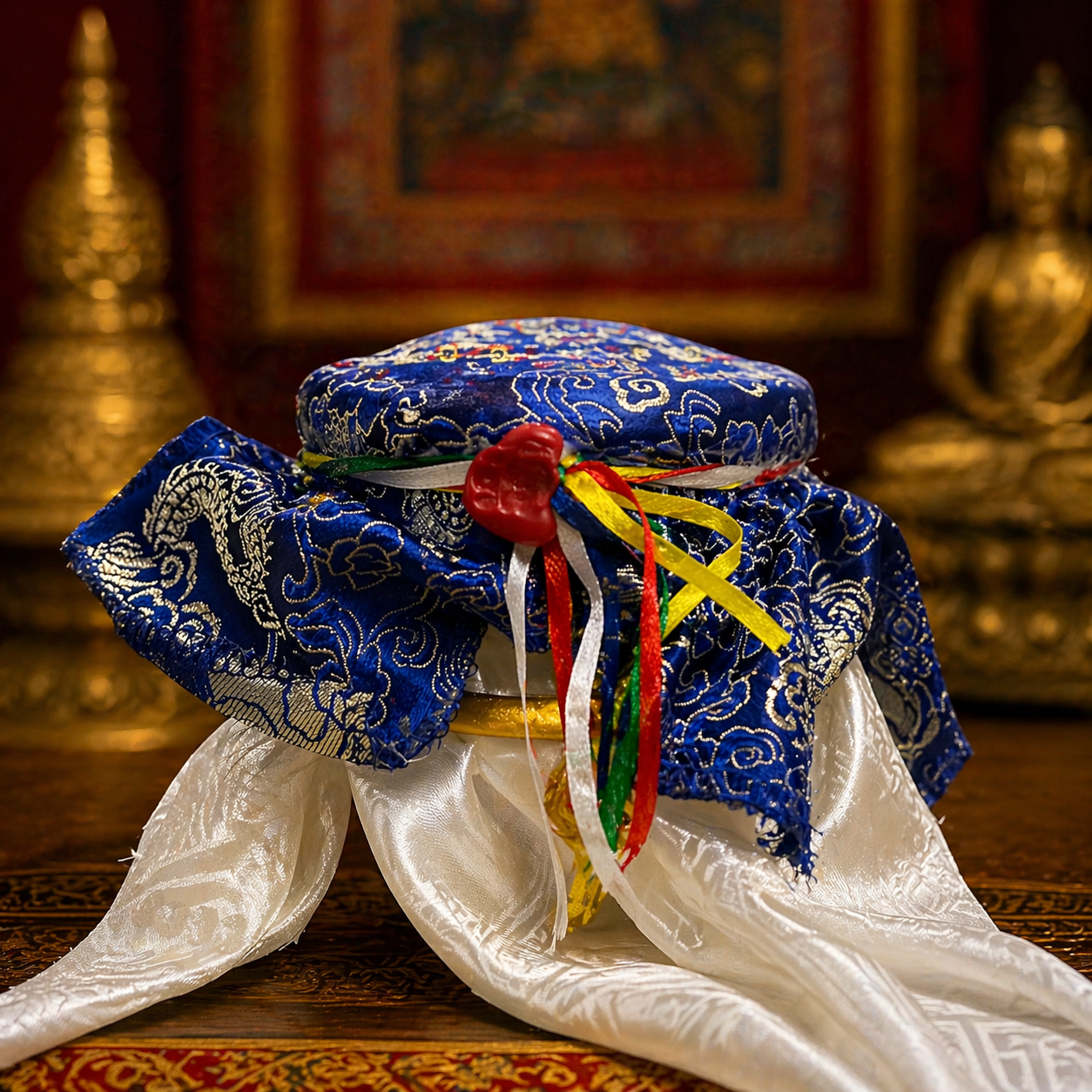
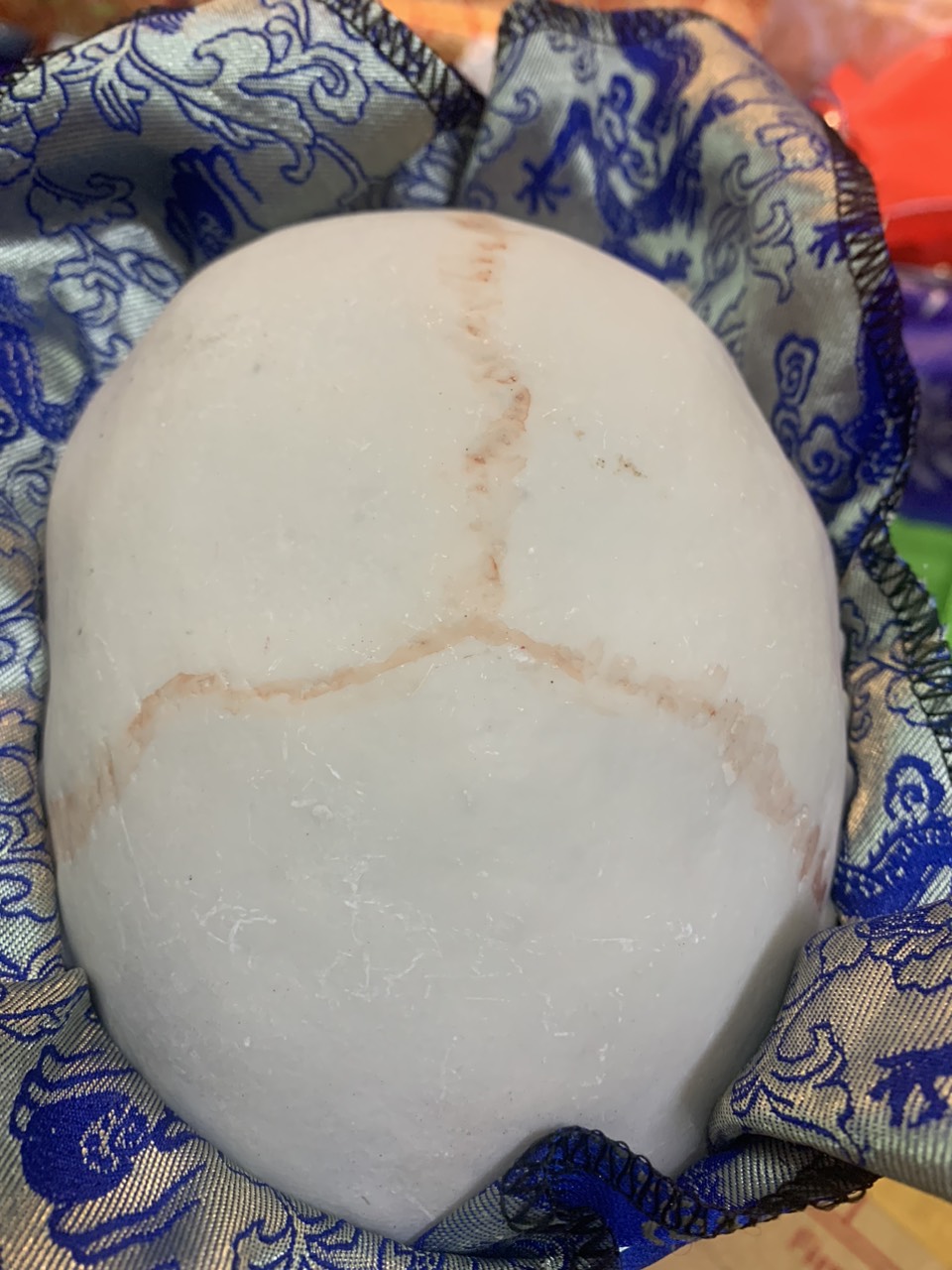
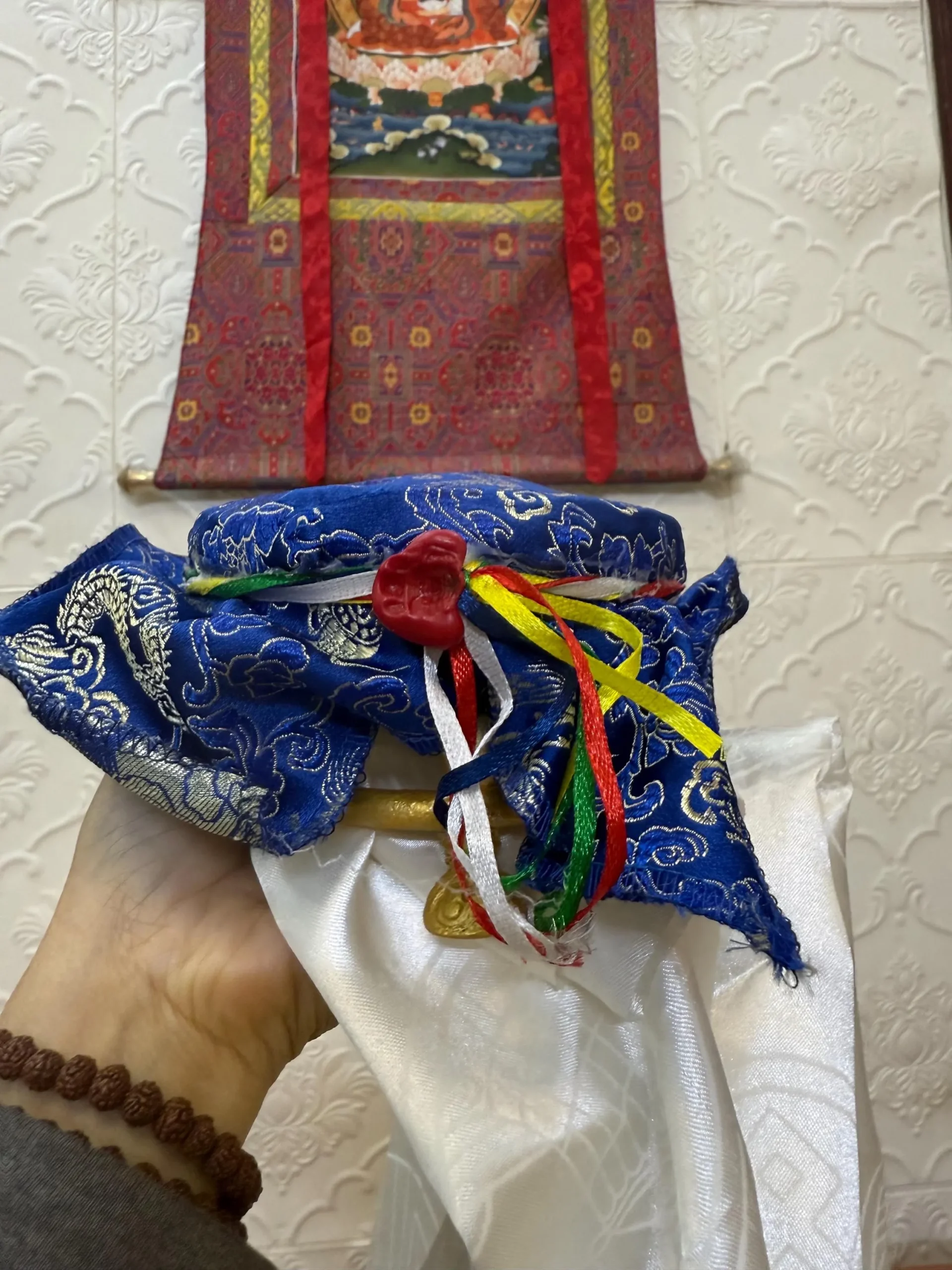
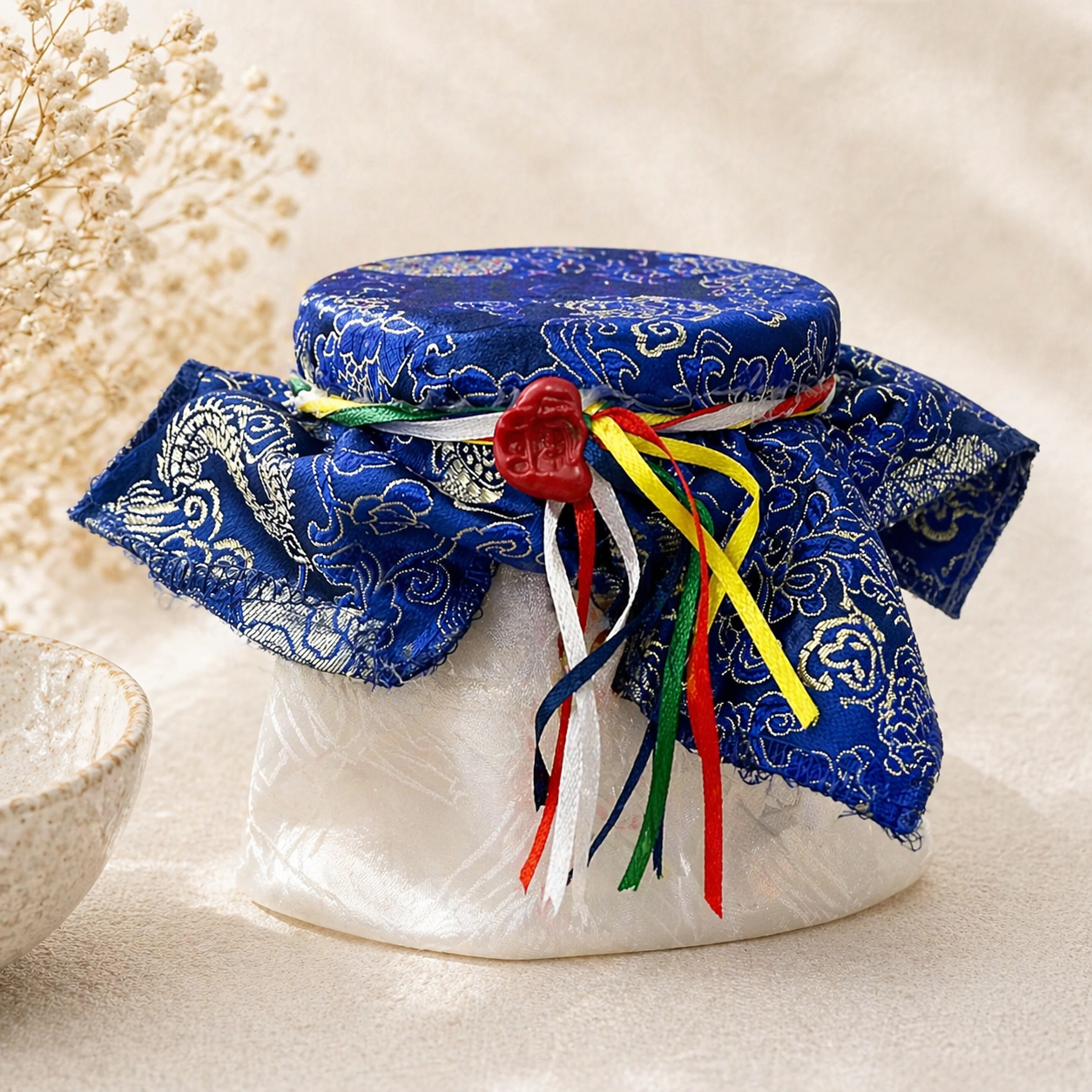
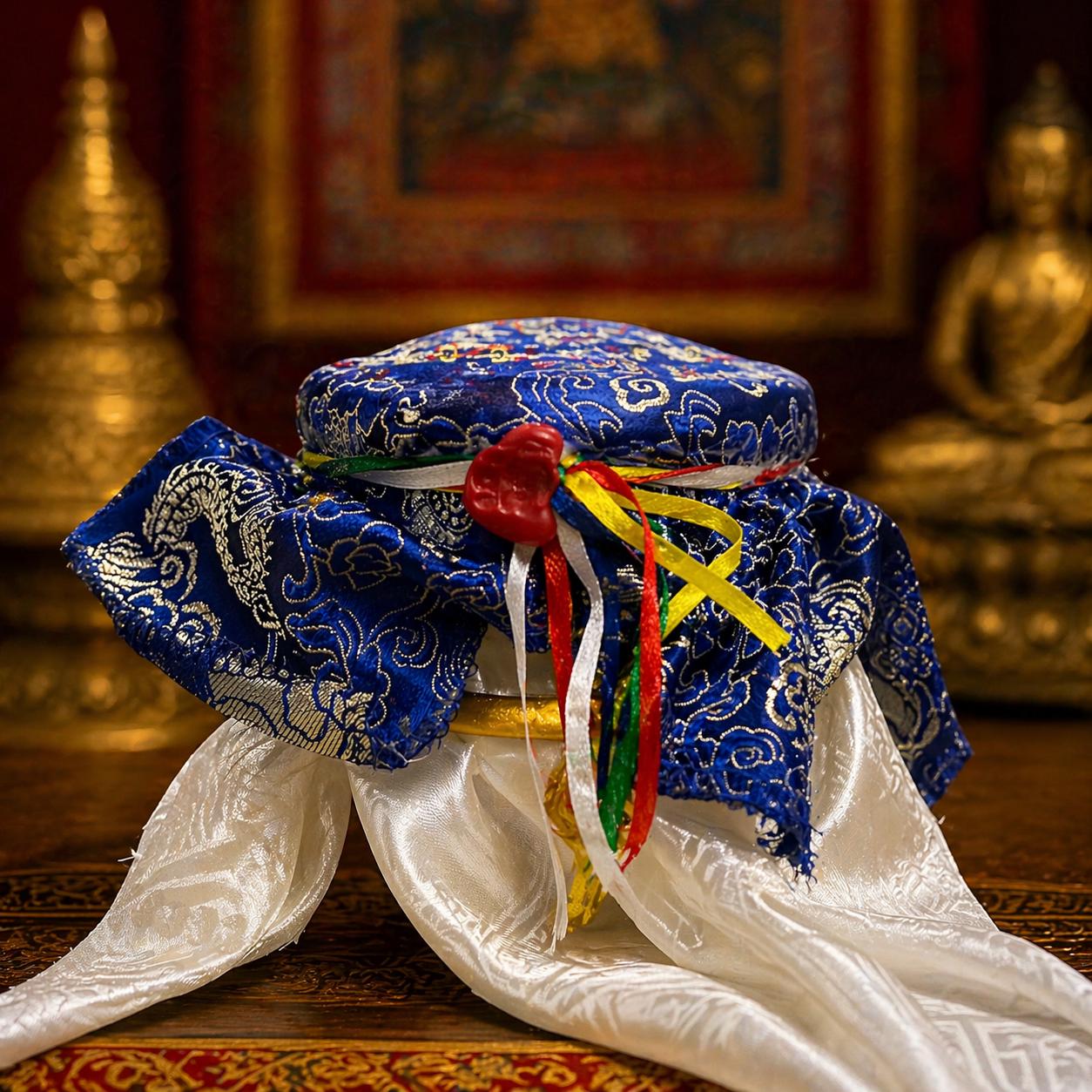
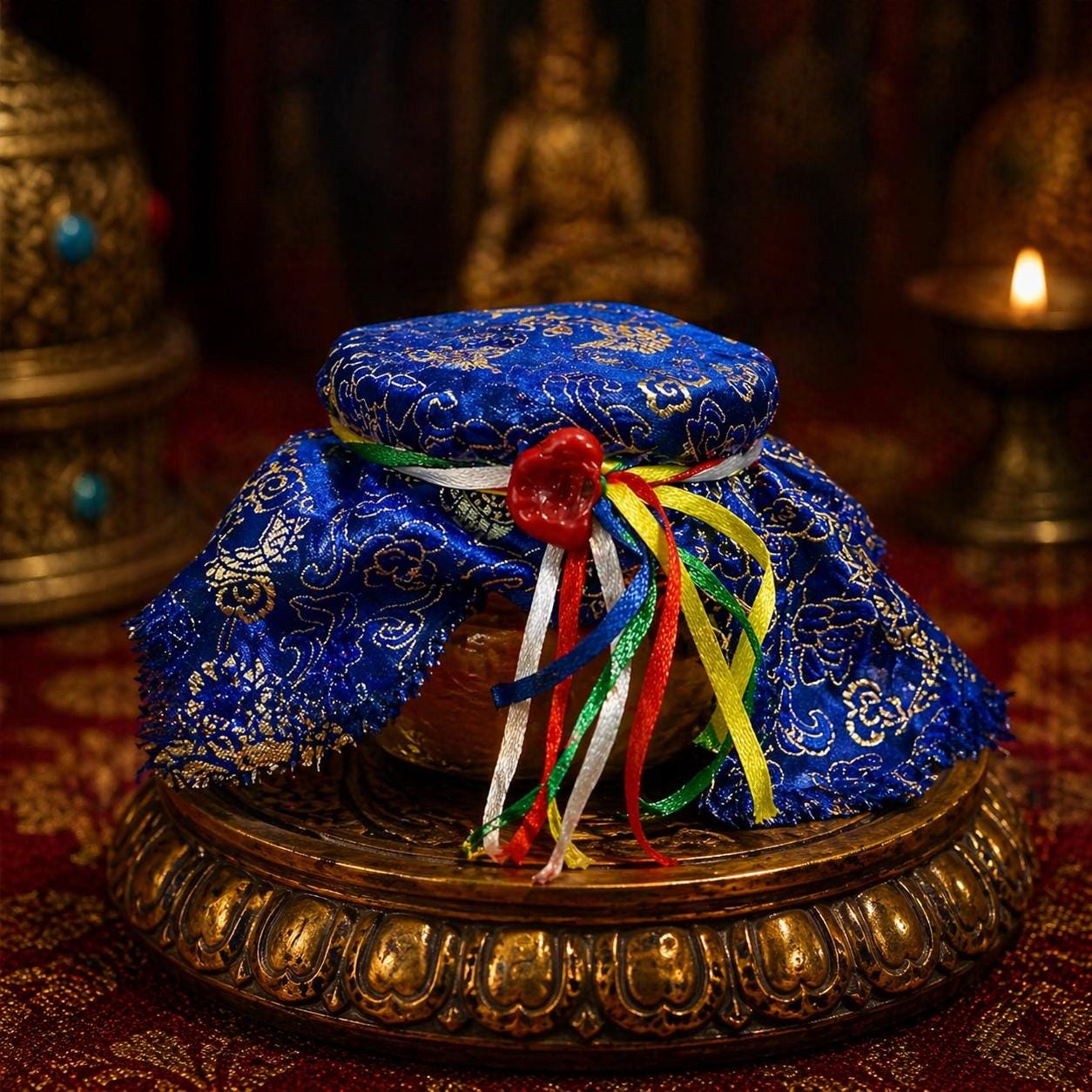
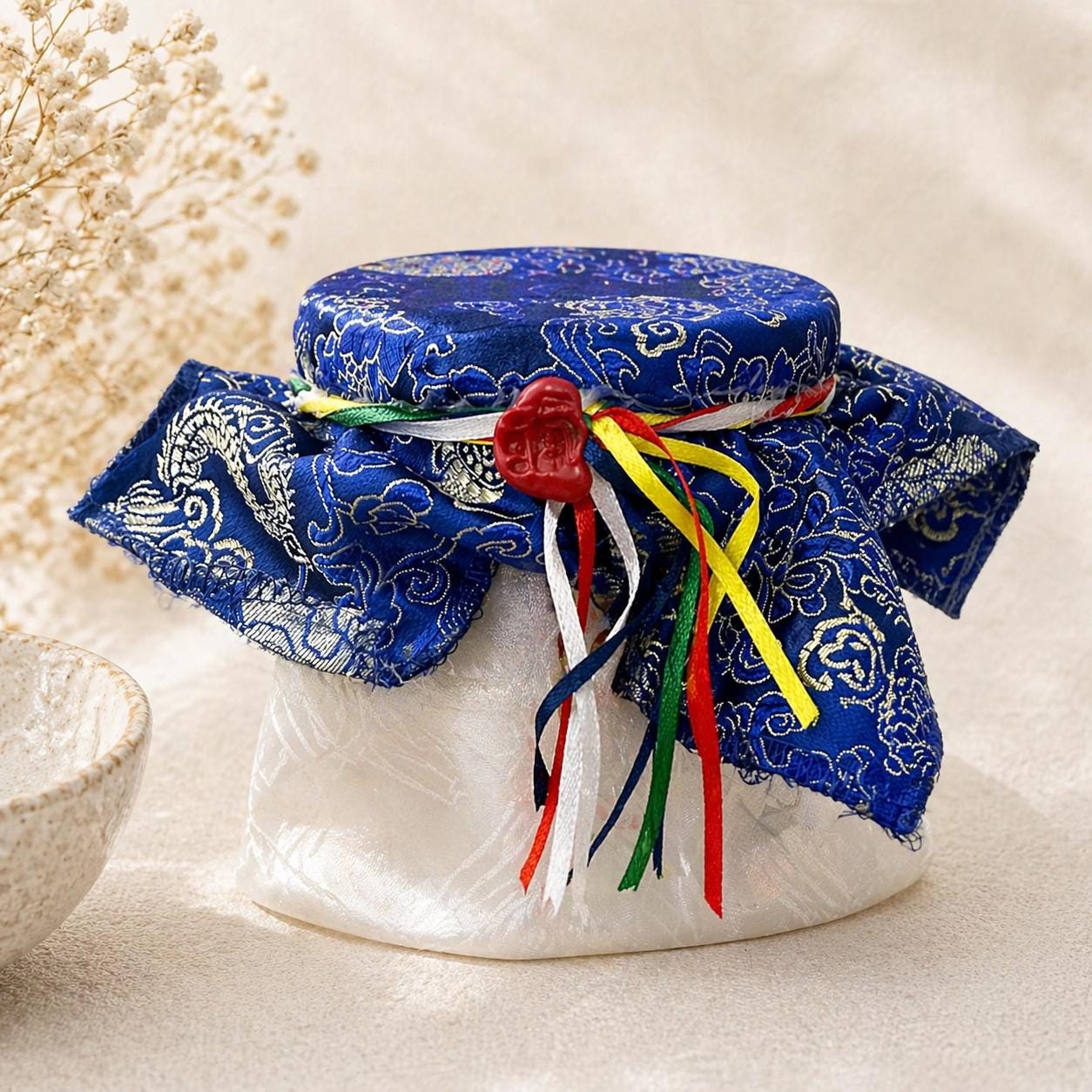
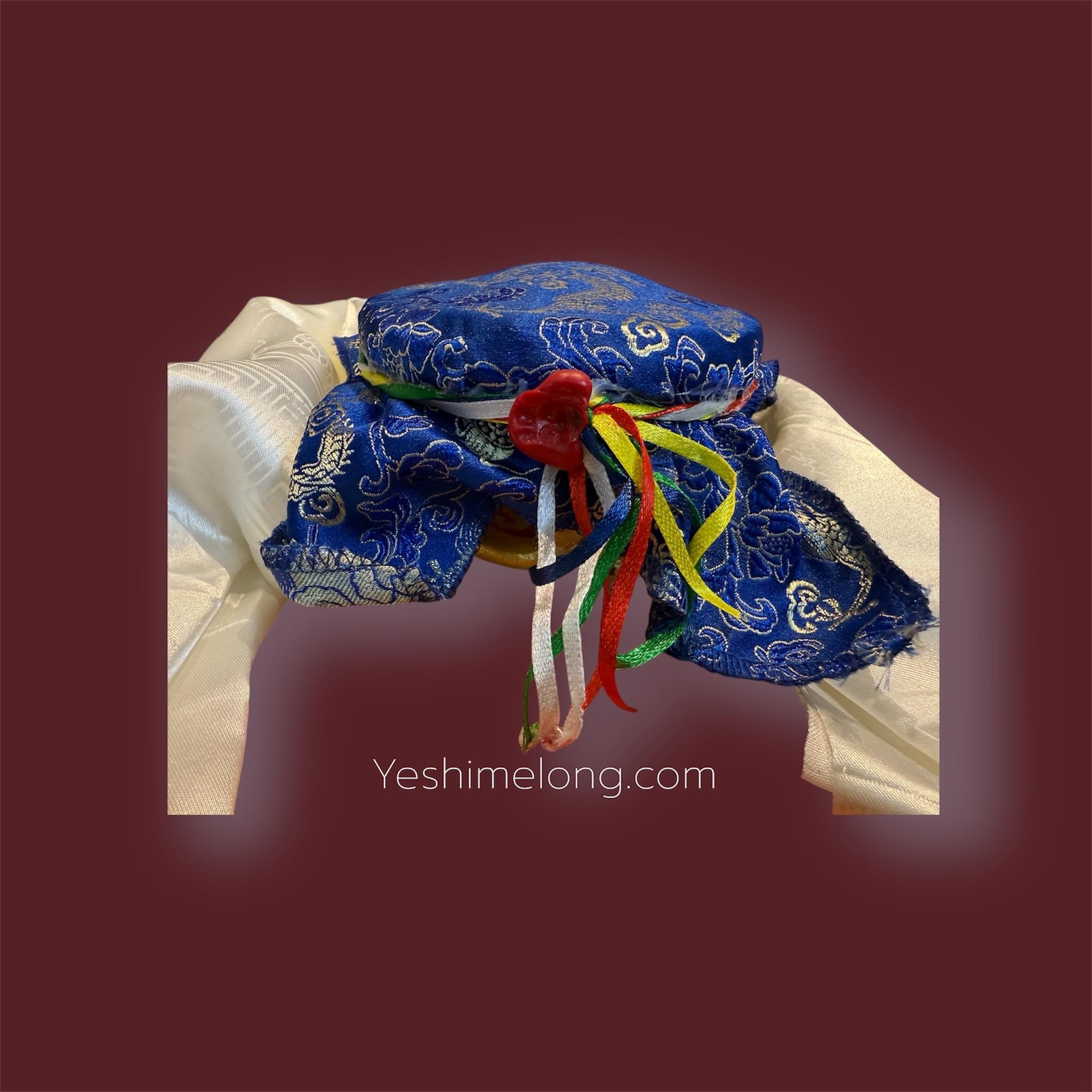
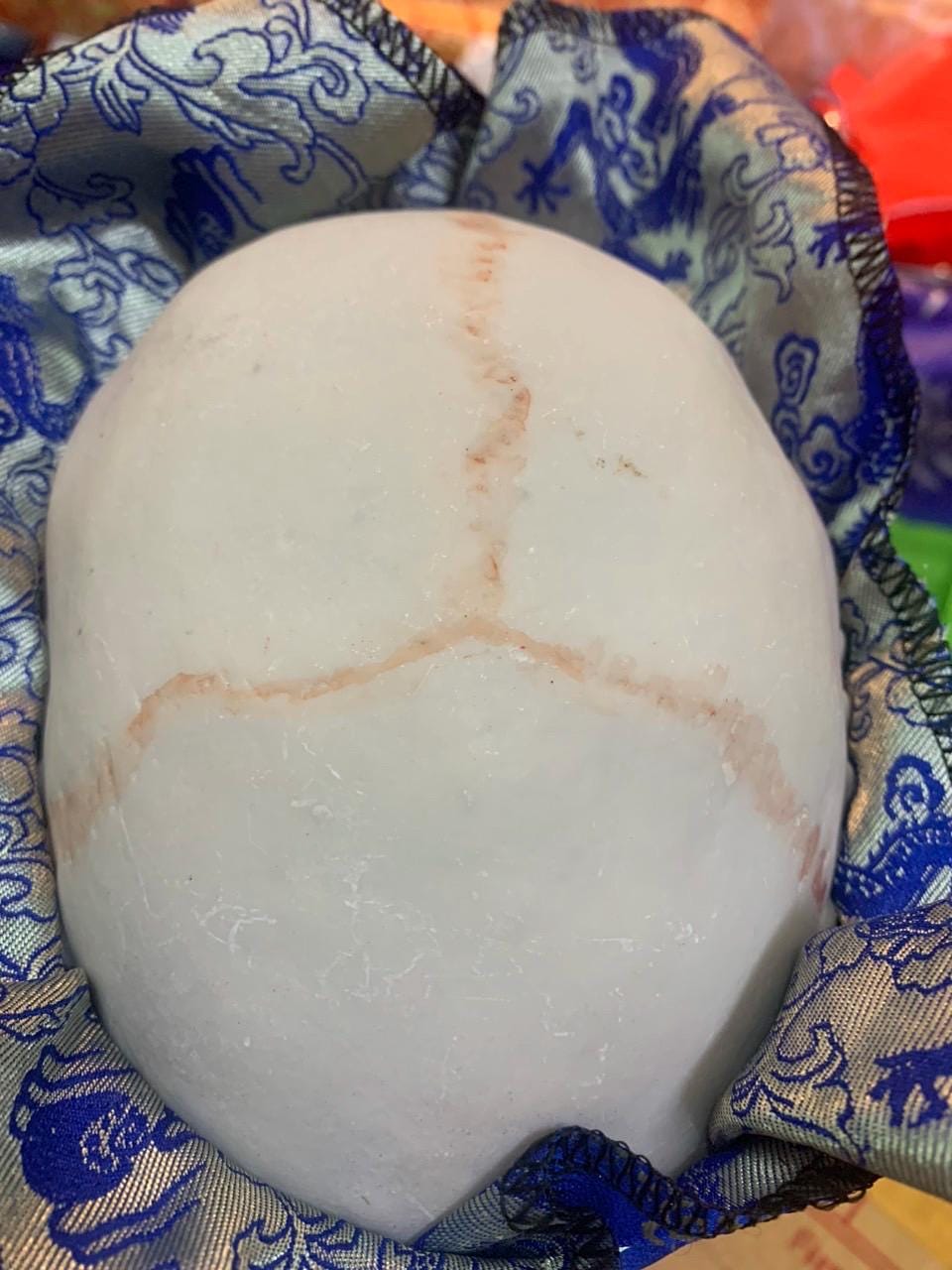
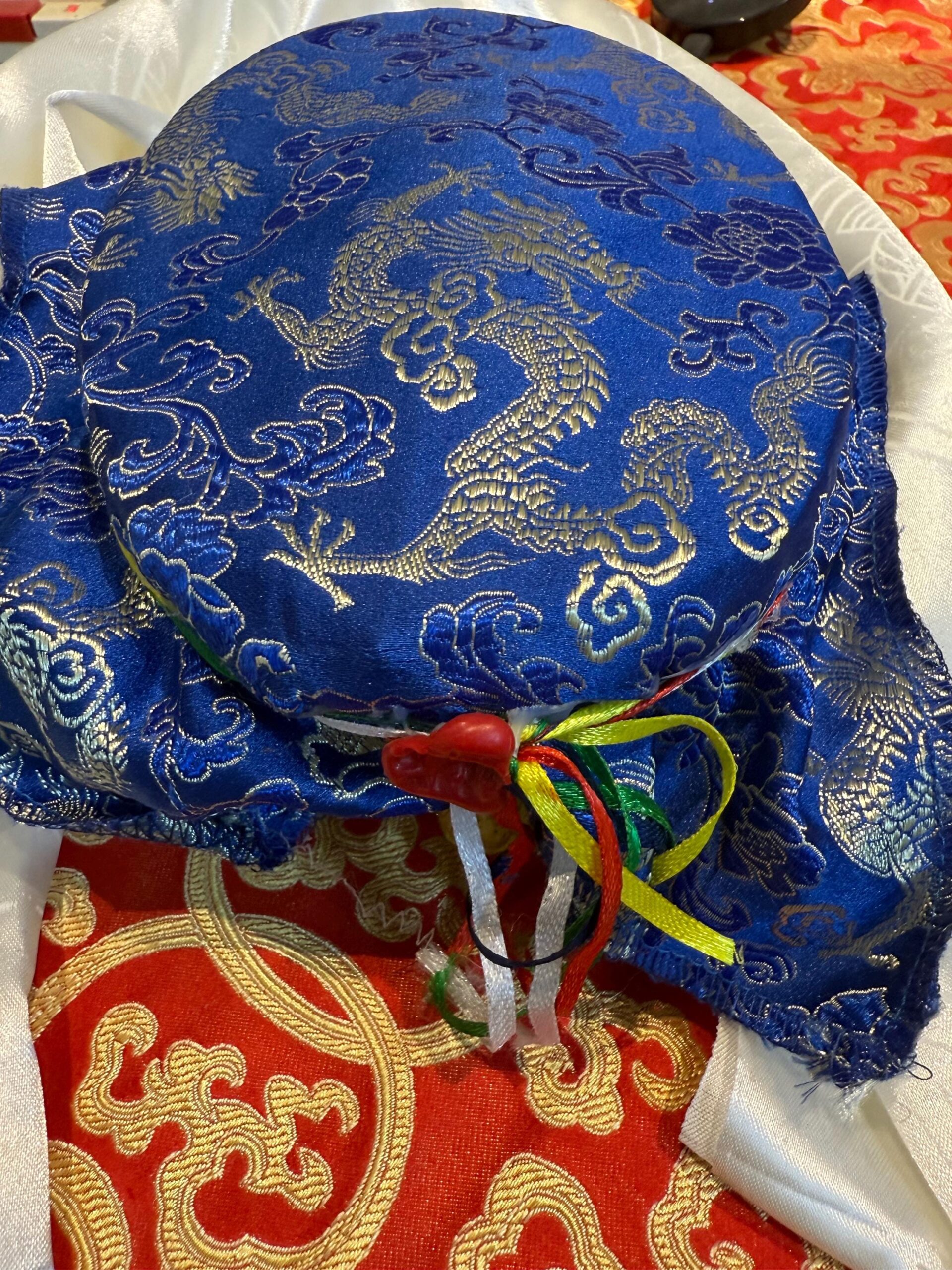
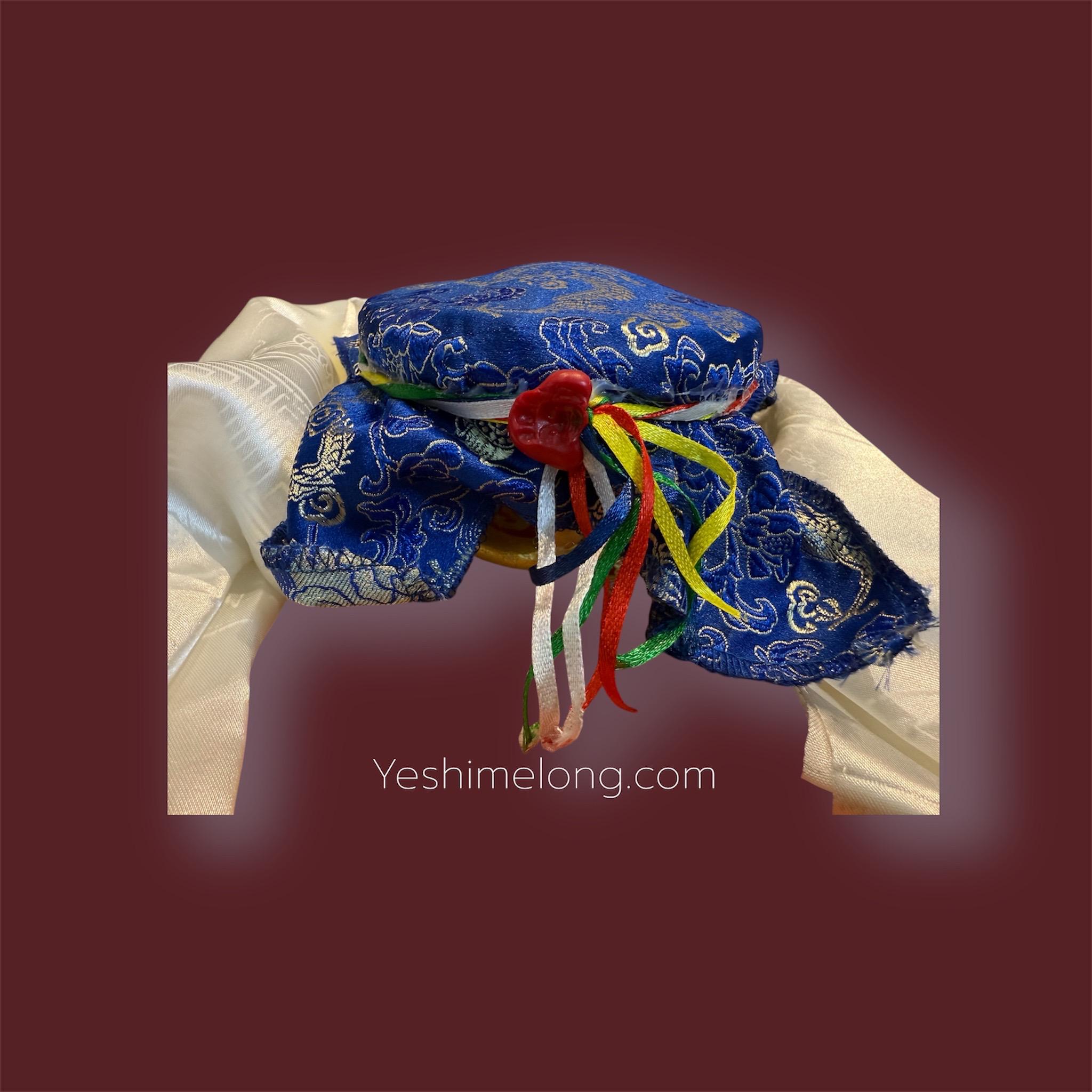
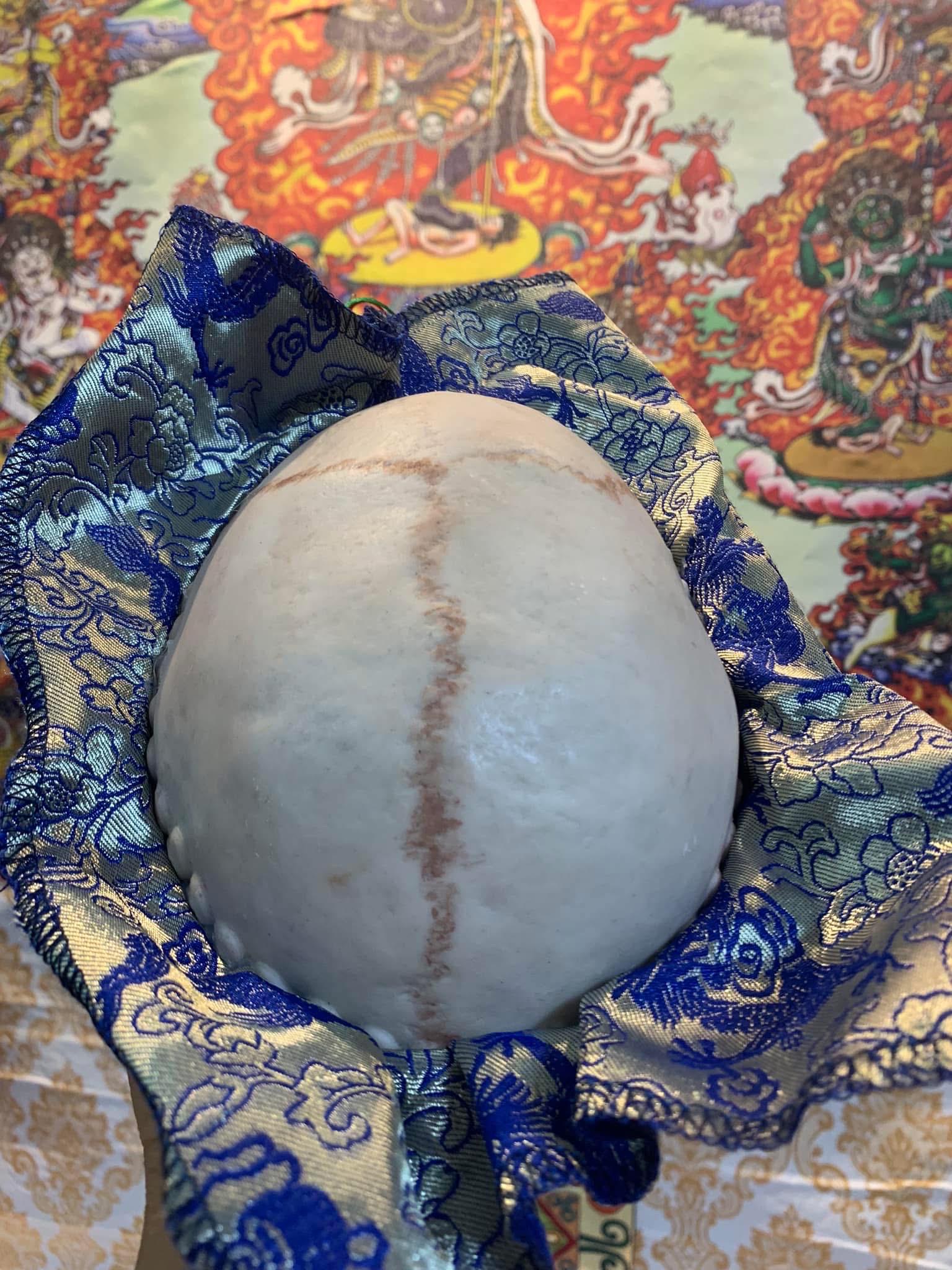
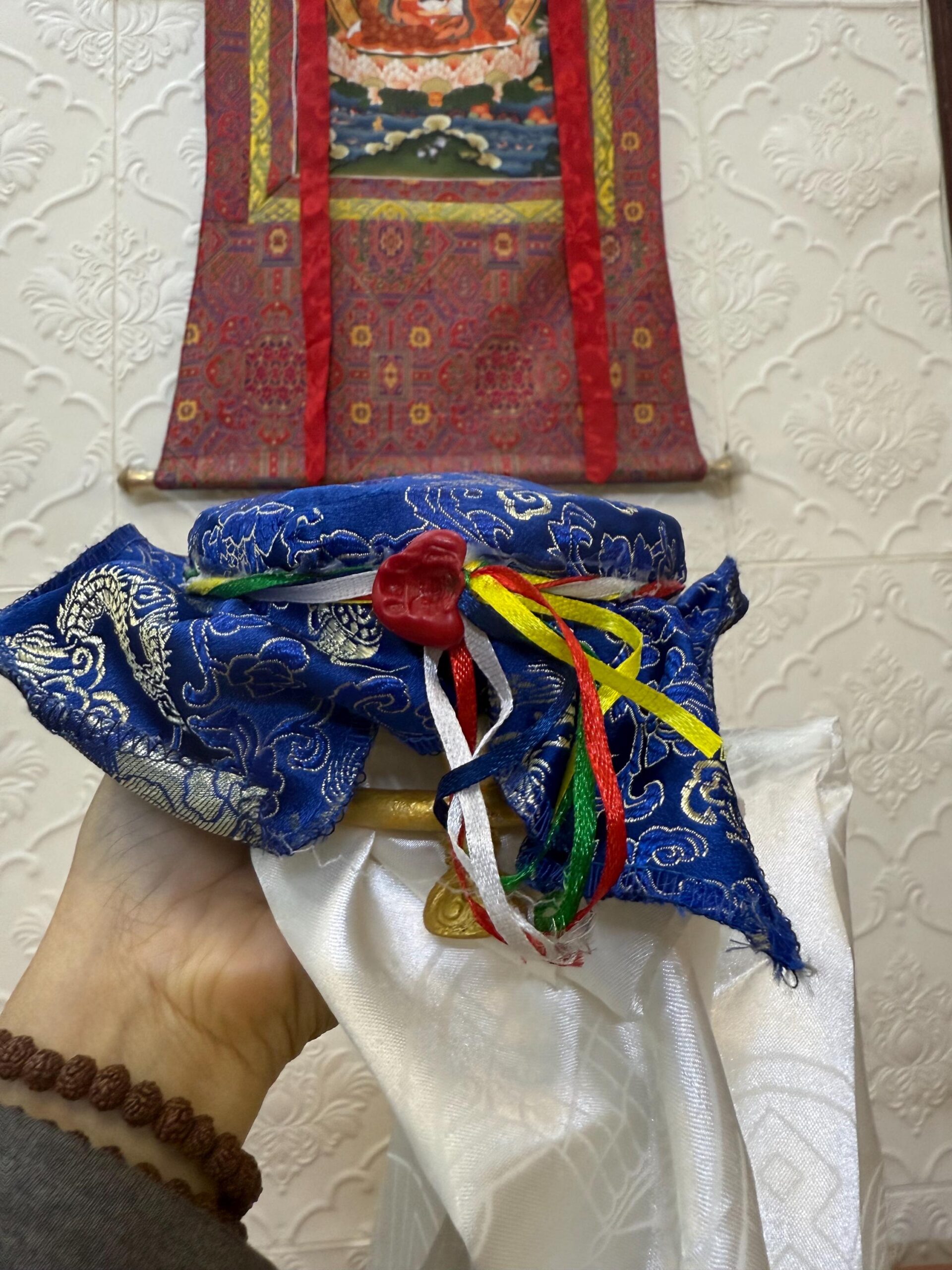
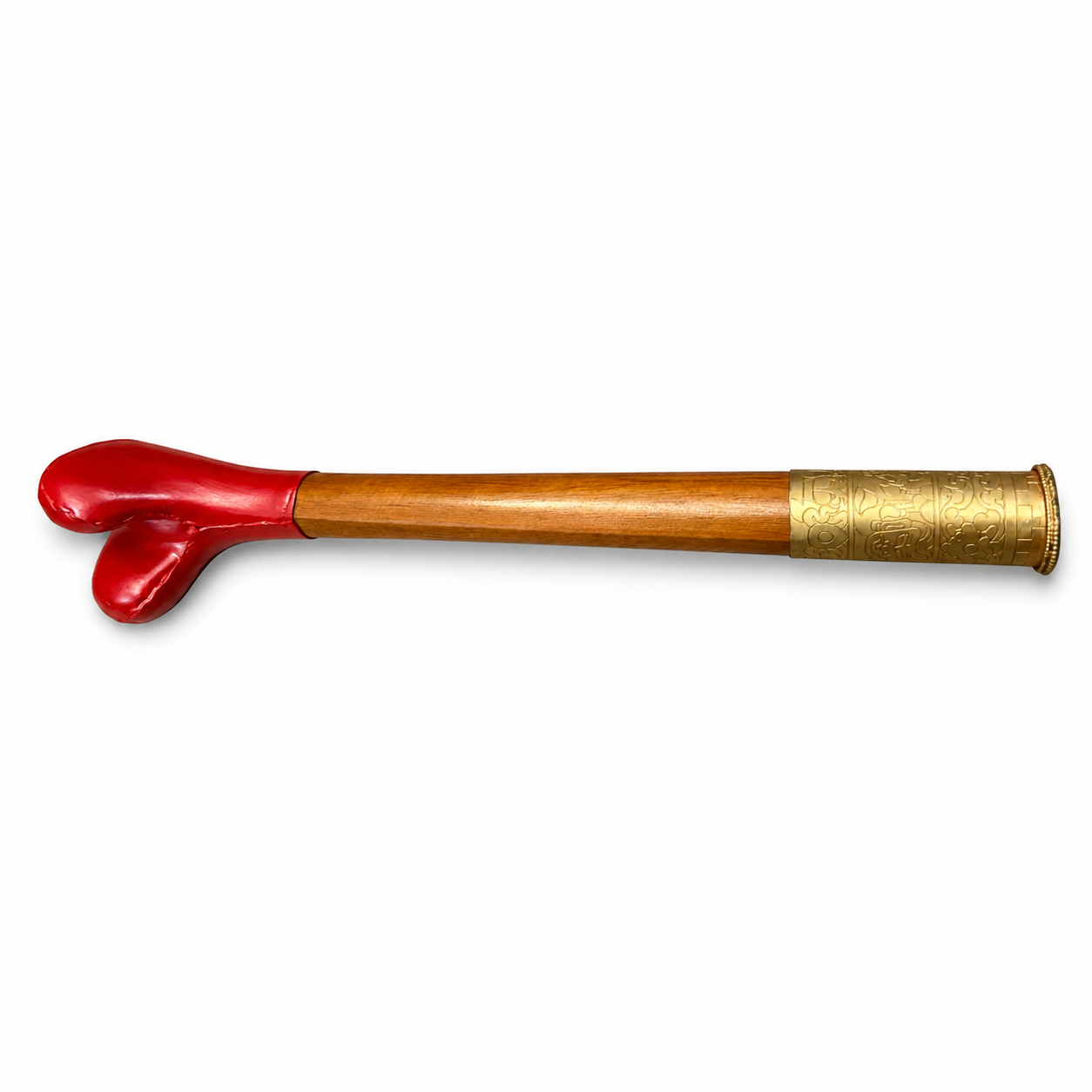
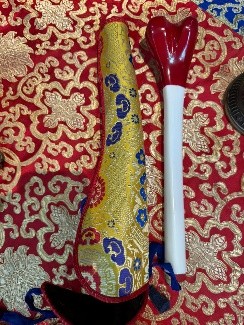
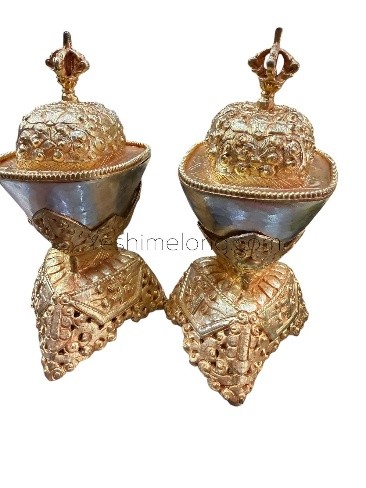
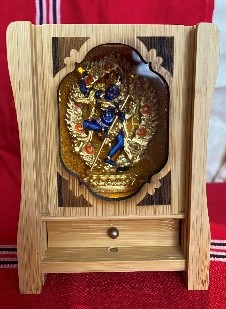
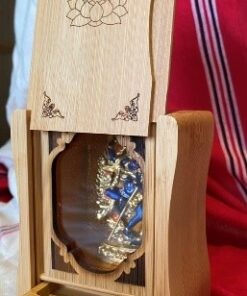
Troma Nagmo Skull Cup Vase | Dudjom Tersar kapala Vase
$ 590
The Troma Nagmo Skull Cup Treasure Vase is a sacred Dakini Dharma support from the Dudjom Tersar lineage, prepared at Dundul Raptenling Monastery and consecrated by Lama Sonam Tashi Rinpoche. Sealed within are Troma scriptures, sacred Dharma substances, mantra materials, and other blessed supports. Traditionally placed on an altar or in a meditation space, it supports connection with the Troma Nagmo blessing lineage and is associated with protection, the pacification of obstacles, and favorable conditions for Dharma practice.
TROMA NAGMO SKULL CUP TREASURE VASE
A Sacred Support from the Dudjom Tersar Chöd Tradition
This Troma Nagmo Skull Cup Treasure Vase was prepared according to the ritual tradition of Troma Nagmo within the Dudjom Tersar lineage.
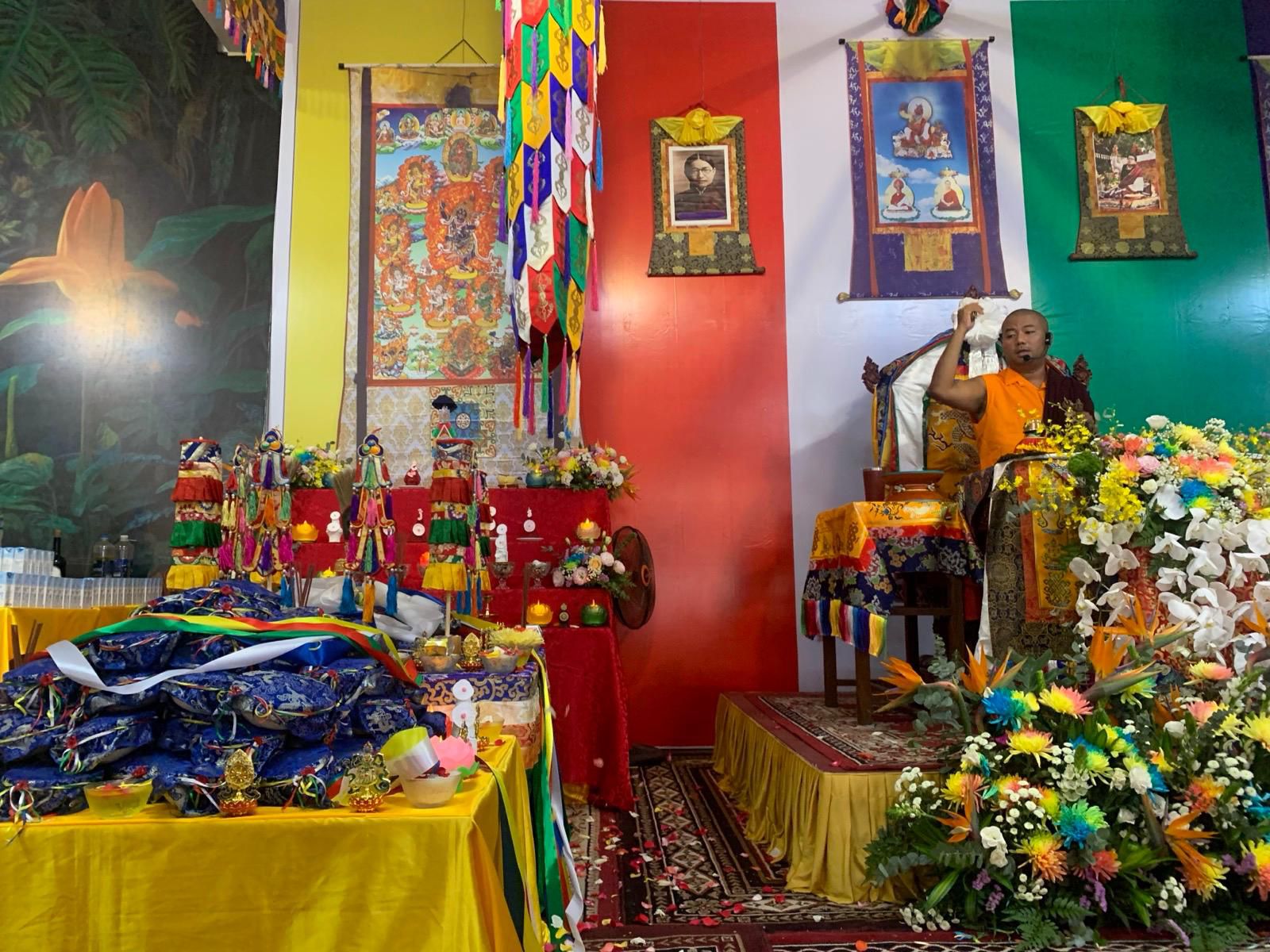
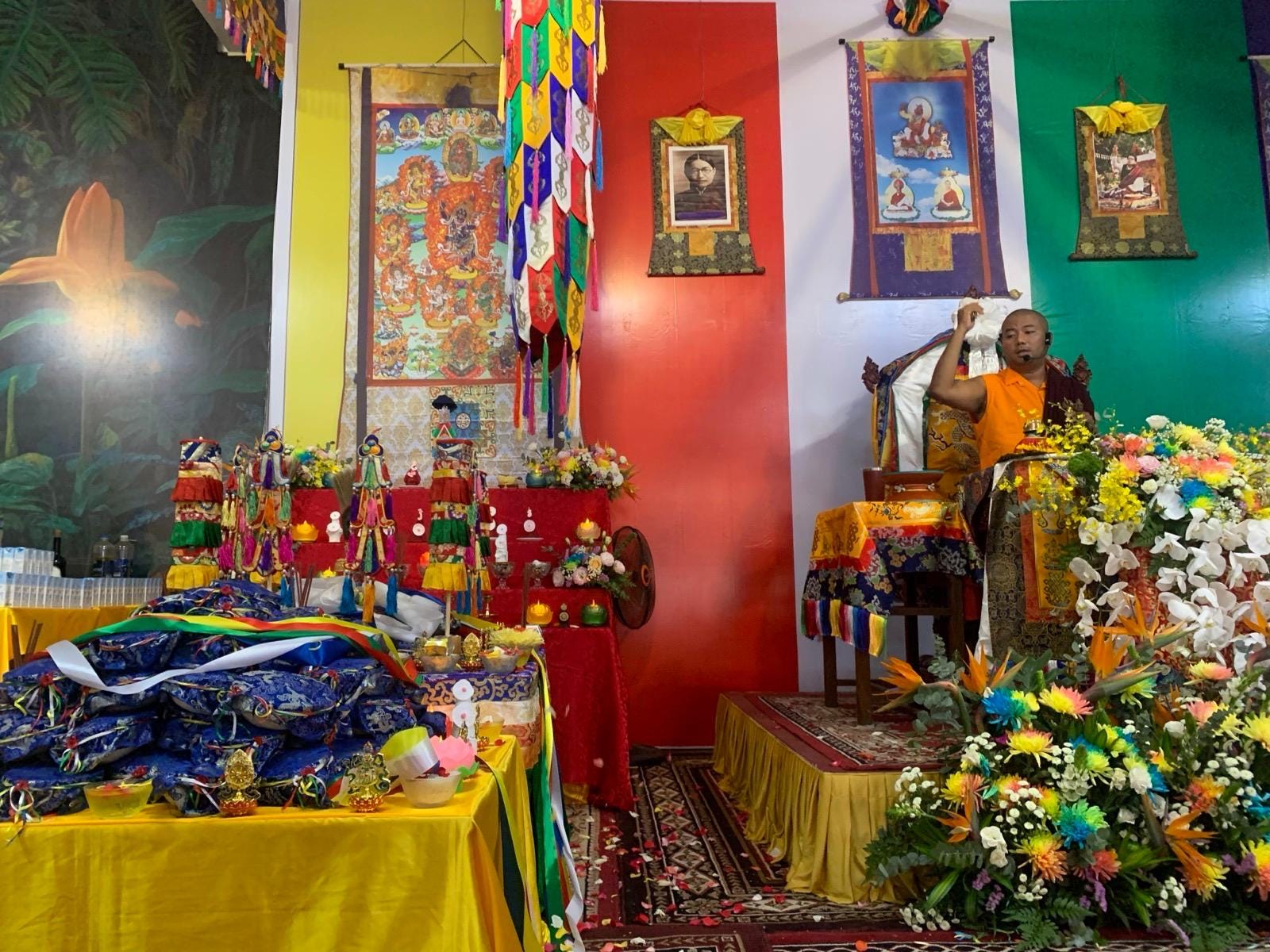
It was assembled through the sacred connections of Dundul Raptenling Monastery in Odisha, India, under the guidance of Lama Sonam Tashi Rinpoche. Inside are traditional Dharma substances, Troma Nagmo mantra and text materials, ritual medicine, and other precious supports associated with the lineage.
The vessel has been respectfully prepared and sealed. It is intended to remain closed and to be kept in a clean, elevated, and respectful place.
THE MEANING OF THE SKULL CUP IN CHÖD
For a Chöd practitioner, the skull cup is not a symbol of fear or morbidity. It reminds us of impermanence and of the body’s true nature. It points directly toward the heart of Chöd: releasing attachment to the self and transforming everything we ordinarily cling to into an offering for the benefit of beings.
Troma Nagmo practice is not about pushing difficulties away or strengthening the ego’s sense of protection. It teaches us to meet fear, obstacles, and attachment directly, with awareness and compassion. What we normally regard as threatening can become part of the path when it is embraced within the view of emptiness, bodhicitta, and devotion to the Guru.
For this reason, a Troma skull cup placed on the shrine carries a meaning much deeper than decoration. It serves as a quiet reminder of the practice itself: to cut fixation, offer without holding back, and recognize the nature of mind.
LINEAGE CONNECTION
According to the traditional account, Guru Rinpoche foresaw times when beings would experience scarcity, conflict, hatred, and many disturbing conditions. Out of compassion, he concealed treasure teachings containing methods and ritual instructions suited to those difficult times.
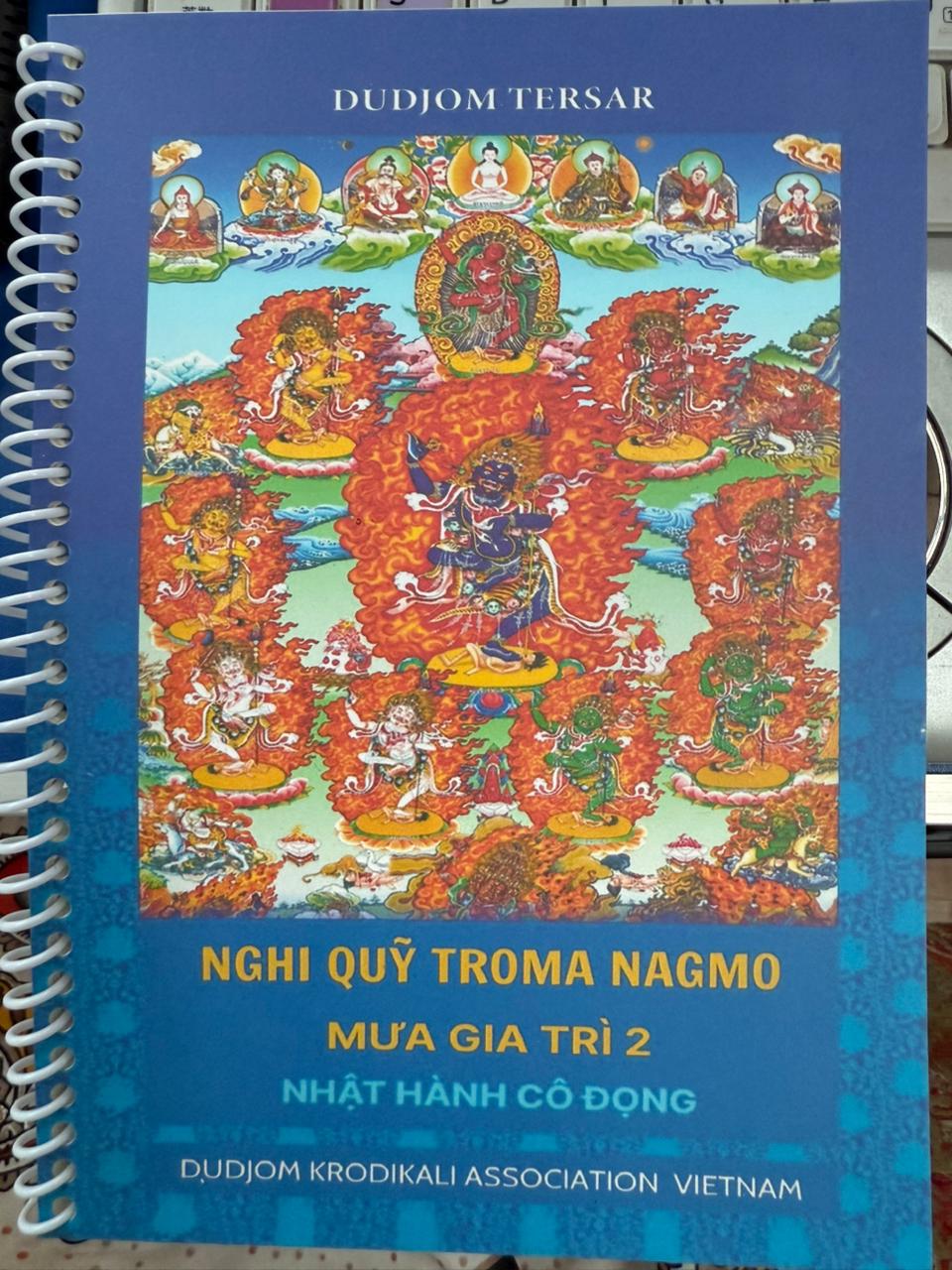
These teachings were later revealed within the treasure lineage of Dudjom Lingpa. The Troma Nagmo tradition preserved within Dudjom Tersar carries this living stream of blessing and practice.
This treasure vase was prepared as a support for that connection—not as a mass-produced spiritual ornament, but as an object to be kept with mindfulness, devotion, and respect.
TRADITIONAL SACRED CONTENTS
The sealed vessel contains traditional supports connected with the practice, including:
• Troma Nagmo mantra and sacred text materials
• Blessed Dharma substances
• Traditional Troma ritual medicine
• Precious materials associated with the Dudjom Tersar lineage
• Additional ritual elements prepared according to lineage instructions
The precise significance lies not only in the individual substances, but also in the lineage, intention, ritual preparation, and sacred connection through which they were assembled.
KEEPING THE VASE IN YOUR HOME OR SHRINE
Within the tradition, a properly prepared Troma Nagmo Skull Cup Treasure Vase is kept as a support for creating auspicious conditions, pacifying obstacles, gathering merit, and strengthening one’s connection with the Guru, Yidam, Dakini, and lineage.
It may be placed:
• On a personal Buddhist altar
• Inside a shrine or sacred cabinet
• In a Chöd or Vajrayana practice room
• At a Dharma center or retreat place
• In a clean and respectful area of the home
For practitioners, its deepest value is not the expectation of an automatic result. Blessings arise through dependent origination: lineage, devotion, samaya, intention, generosity, and sincere practice all come together.
A sacred object can remind and support us, but it does not replace practice. Its presence encourages us to return again and again to bodhicitta, awareness, generosity, and the instructions of the teacher.
TRADITIONAL BENEFITS
According to Dudjom Tersar lineage explanations, this type of sacred support is traditionally associated with:
• Pacifying obstacles and disturbing conditions
• Supporting harmony within the home and practice environment
• Gathering merit, vitality, and auspicious circumstances
• Strengthening conditions favorable to Dharma practice
• Supporting generosity and activities that benefit beings
• Maintaining a connection with Troma Nagmo and the Dudjom Tersar lineage
These benefits should be understood within the Buddhist view of karma, dependent origination, devotion, and practice. They are not promises of financial, medical, or other guaranteed outcomes.
CONNECTION WITH DUNDUL RAPTENLING MONASTERY
This sacred object is offered through connections with Dundul Raptenling Monastery in Odisha, India, a monastery of the Dudjom Tersar lineage under the direction of Lama Sonam Tashi Rinpoche.
Proceeds from this offering help support the monastery’s Dharma activities and the construction of Zangdog Palri at Dundul Raptenling Monastery.
By receiving this sacred support, you are therefore also helping to sustain a living place of practice and the continuation of lineage activities.
RESPECTFUL CARE
• Keep the vase in a clean and elevated place.
• Please do not open or disturb its sealed contents.
• Handle it respectfully as a sacred Dharma support.
• Avoid placing it directly on the floor or among ordinary household objects.
• If possible, offer light, incense, water, or prayer before it according to your own practice and teacher’s guidance.
PLEASE NOTE
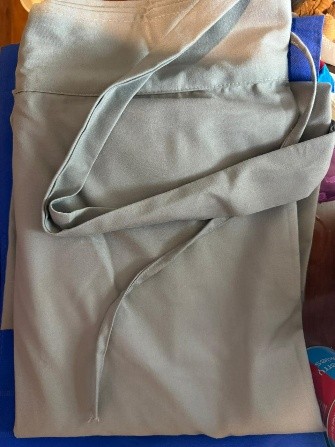
Each vase is individually assembled and finished by hand. Slight differences in fabric, color, form, arrangement, and handmade details are natural.
This listing is for one sealed Troma Nagmo Skull Cup Treasure Vase. Please review the photographs carefully before ordering.
May this sacred connection support the cutting of self-clinging, the growth of bodhicitta, the accumulation of merit and wisdom, and the flourishing of Dharma activity for the benefit of all beings.
Related products